Why Corn Relish Can Be Water Bath Canned (But Plain Corn Can’t)
This page may contain affiliate links. More Information.
A reader recently asked. “You mention to always pressure can corn for 55 minutes. However, your recipe for corn relish calls for a water bath for 15 minutes. My altitude is below a thousand feet from sea level. So which canning process should I use and for how long?”
This is a really common question, and it’s a good one. The short answer: plain corn is a low-acid vegetable and must be pressure canned, but corn relish (which is pickled) can safely be water bath canned. It all has to do with the acidity.
I made a short video explaining the difference and what makes corn relish safe to water bath can. Watch it here:
Why Plain Corn Needs a Pressure Canner
Plain corn is considered a low-acid vegetable. Water bath canning doesn’t get hot enough to safely destroy harmful bacteria like botulism spores. That’s why any recipe for just corn in water (with maybe a little salt) must always be pressure canned.
Why Corn Relish Can Be Water Bath Canned
Corn relish is different because it contains added acid, usually in the form of vinegar. The vinegar lowers the pH of the recipe, which makes it safe for water bath canning.
A few key points to remember:
- Tested recipes only: Not all corn relish recipes are safe for storage on the shelf. Only use ones that have been tested for acidity. – Here’s the one that I use…
- Don’t improvise: Adding a splash of vinegar to a plain corn recipe doesn’t automatically make it safe. Safety comes from tested ratios and proper pH levels.
- Other ingredients matter: Corn relish usually includes peppers, onions, or other vegetables. The acidity from vinegar ensures all of it can safely be processed in a water bath.
How the pH Rule Applies to canning Other Food
The same principle that makes corn relish safe for water bath canning applies to many other vegetables and recipes:
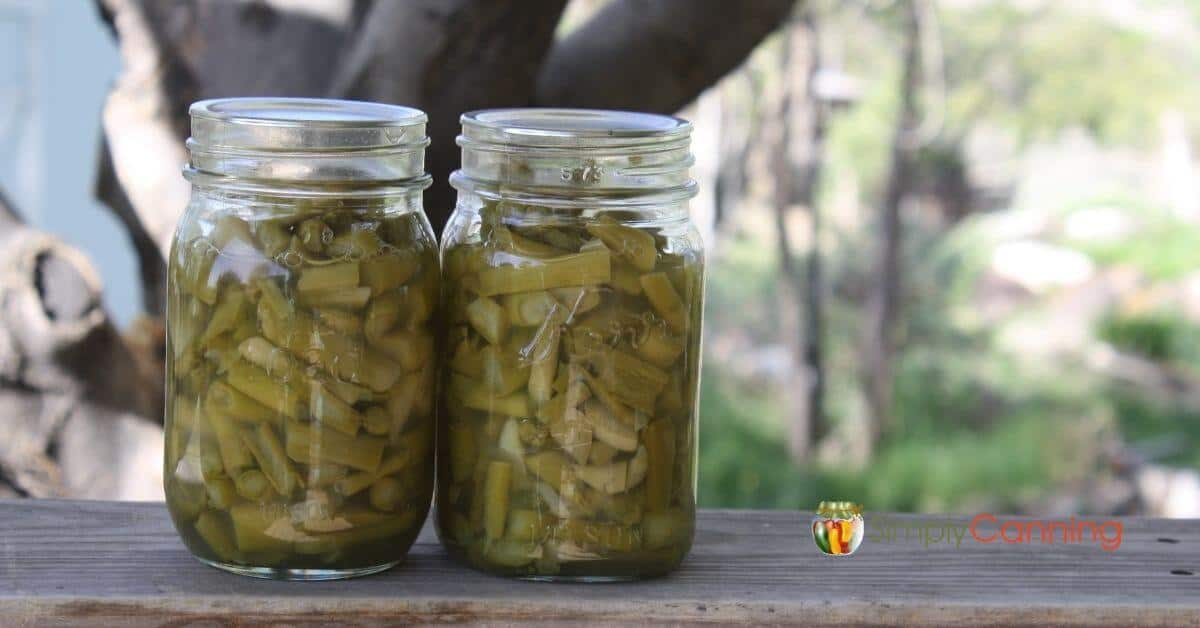
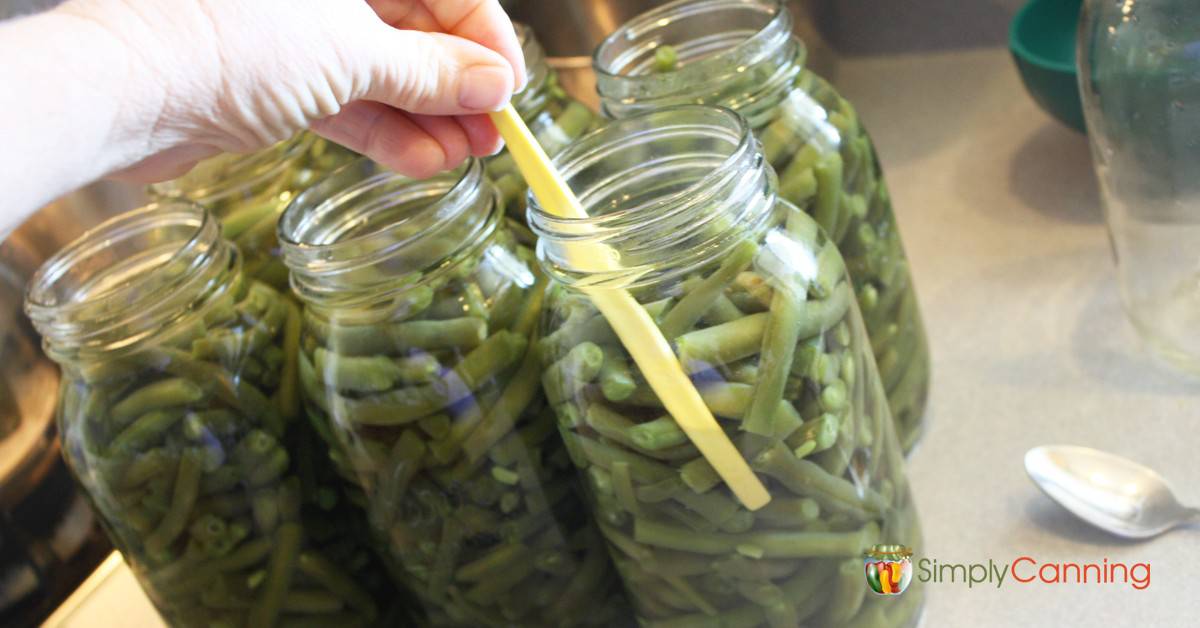
- Green beans vs. pickled dilly beans: Plain green beans are low-acid and must be pressure canned. Green beans in a pickled brine (with vinegar) are acidic enough to be safely water bath canned.
- Carrots vs. pickled carrots: Fresh carrots need pressure canning. Carrots pickled with vinegar, sugar, and spices are safe for water bath canning.
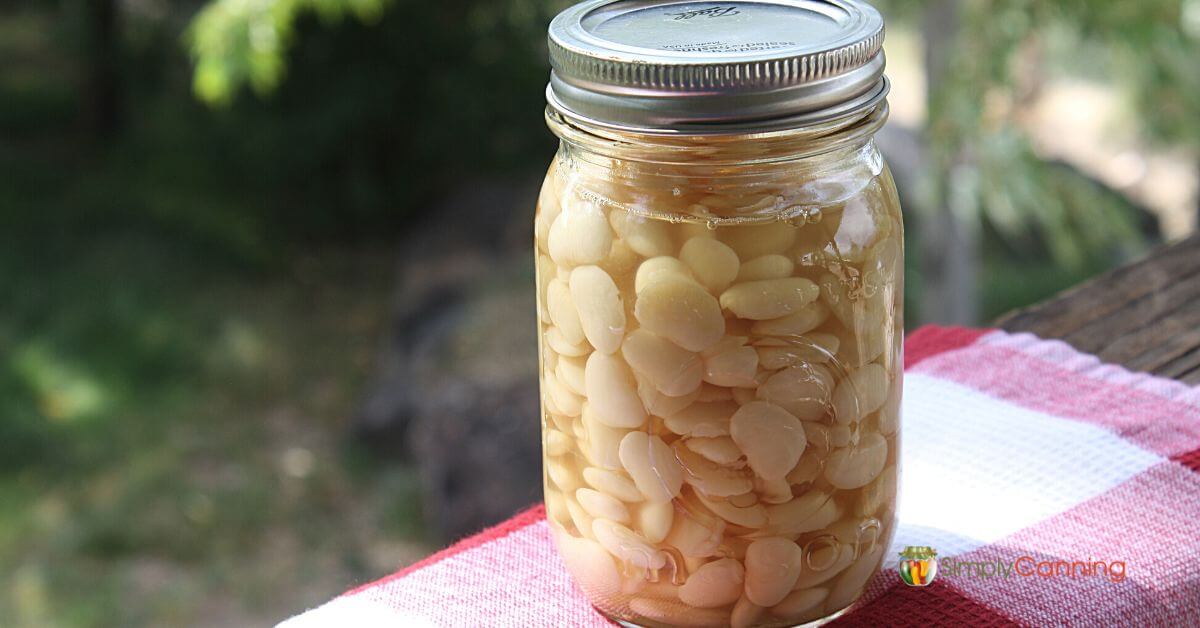
- Three-bean salad vs. plain beans: Plain cooked beans are low-acid and require pressure canning. But a three-bean salad in a vinegar-based marinade can safely be water bath canned.
- Other pickled vegetable recipes: Think pickled beets, green tomatoes, cabbage (sauerkraut) and more.
The key takeaway: Water bath canning is only safe for foods with sufficient acidity. Adding vinegar or another acid to a tested recipe changes the pH and allows you to use the gentler water bath method—but always stick to tested recipes for safety.
Related Pages
Even if you don’t have a pressure canner, there are plenty of other ways to enjoy your corn harvest safely:
- Freezing Corn – This page explains freezing corn both on and off the cob.
- Canning Corn – Here is a Pressure Canning step by step guide on how to can corn.
- Corn Cob Jelly – I decided to try something fun. If you add enough sugar, even corn cobs can turn out tasty!
- Corn Relish Recipe – a great way to preserve corn even without a pressure canner. Water bath is all that is needed.
- Dehydrating Corn – Dehydrating corn is actually pretty easy. Especially since we were on a roll and already had had corn prepped for freezing, canning, pickling, and sweets.