
Learn How to Freeze Carrots: A Step by Step Guide
This page may contain affiliate links. More Information.
Freezing Carrots is a great way to enjoy their delicious flavor all year long. Whether you prefer them whole, sliced, diced, or as carrot sticks, freezing carrots allows you to enjoy their goodness all year long.
I’ll guide you through the best methods, complete with pros and cons, so you can choose what works best for you. Learn how to freeze carrots.
How to Freeze Carrots
Wash and Trim:
Wash your carrots thoroughly and remove the tops. If the tips are very thin, consider trimming them for easier peeling.
Peel:
Use a vegetable peeler to remove the skin. (more on peeling below)
Cut to Size:
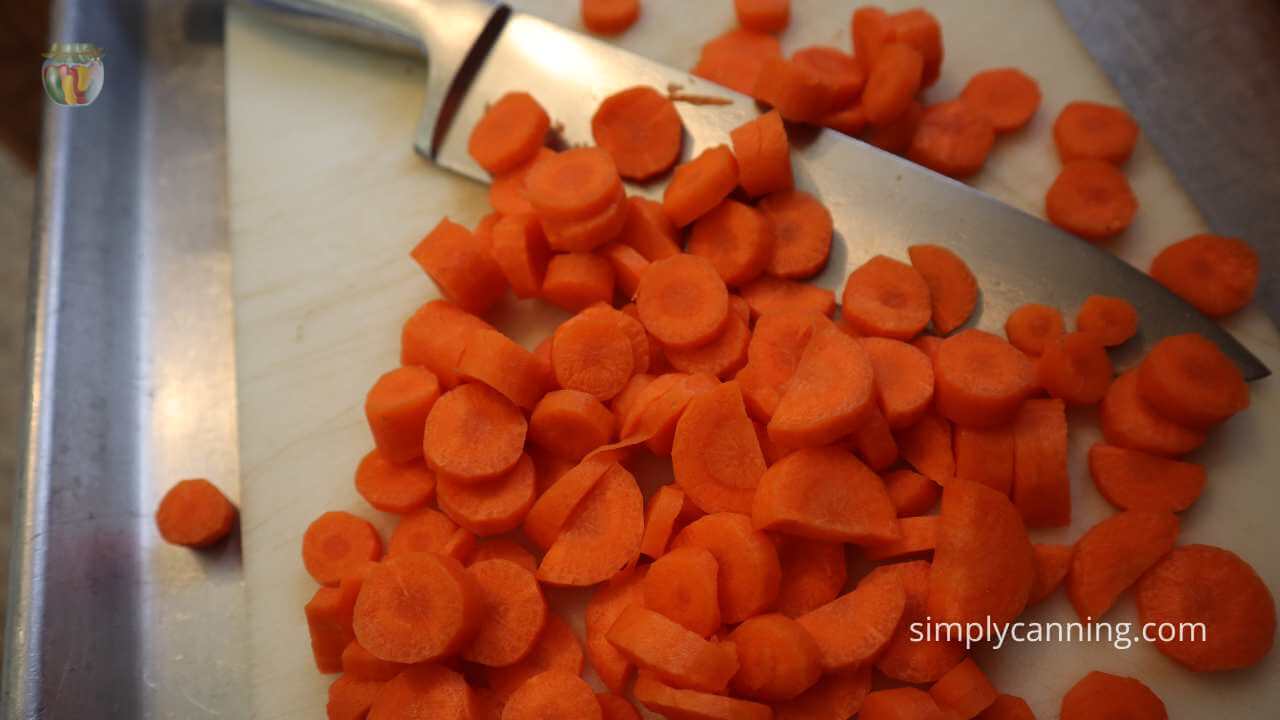
Cut carrots into your desired size and shape: Slicing is my usual preference but I’ve done all of these.
- Slices (great for soups and casseroles)
- Diced- 1/4 inch (also ideal for soups or stews)
- Sticks – Thin lengthwise strips. (perfect for roasting or snacking)
- Whole (only for small)
Blanch and Cool Quickly:
Blanching is suggested to stop enzyme activity. (more on blanching below)
Blanching Steps:
- Boil Water: Bring a large pot of water to a rapid boil. Use about 1 gallon of water per pound of carrots.
- Blanch: Add carrots in small batches to maintain the boil. Use the following blanching times:
- Sliced or diced: 2–3 minutes
- Carrot sticks: 2–3 minutes
- Small whole carrots: 5 minutes
- Cool Quickly: Transfer carrots to ice water immediately after blanching to stop the cooking process. Cool for the same amount of time as the blanching. Drain and pat dry.
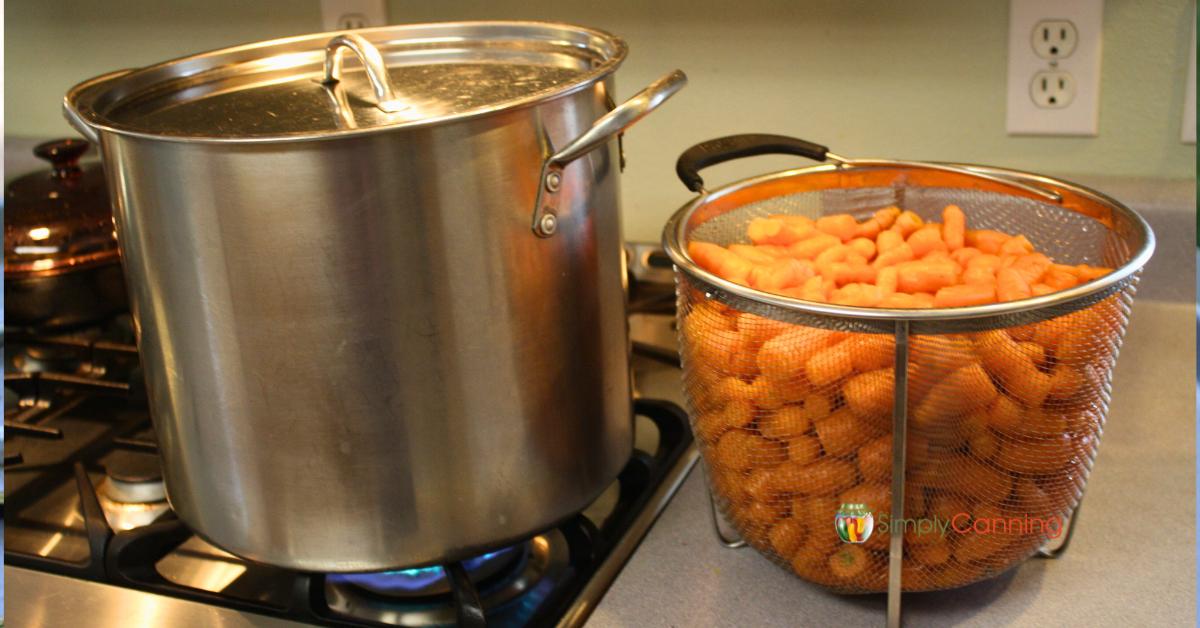
Tip: Use a blanching basket or slotted spoon for easier handling. Cover the pot with a lid to retain heat and bring water back to a boil faster.
Tips on Chopping, Peeling and Blanching
Chopping Options
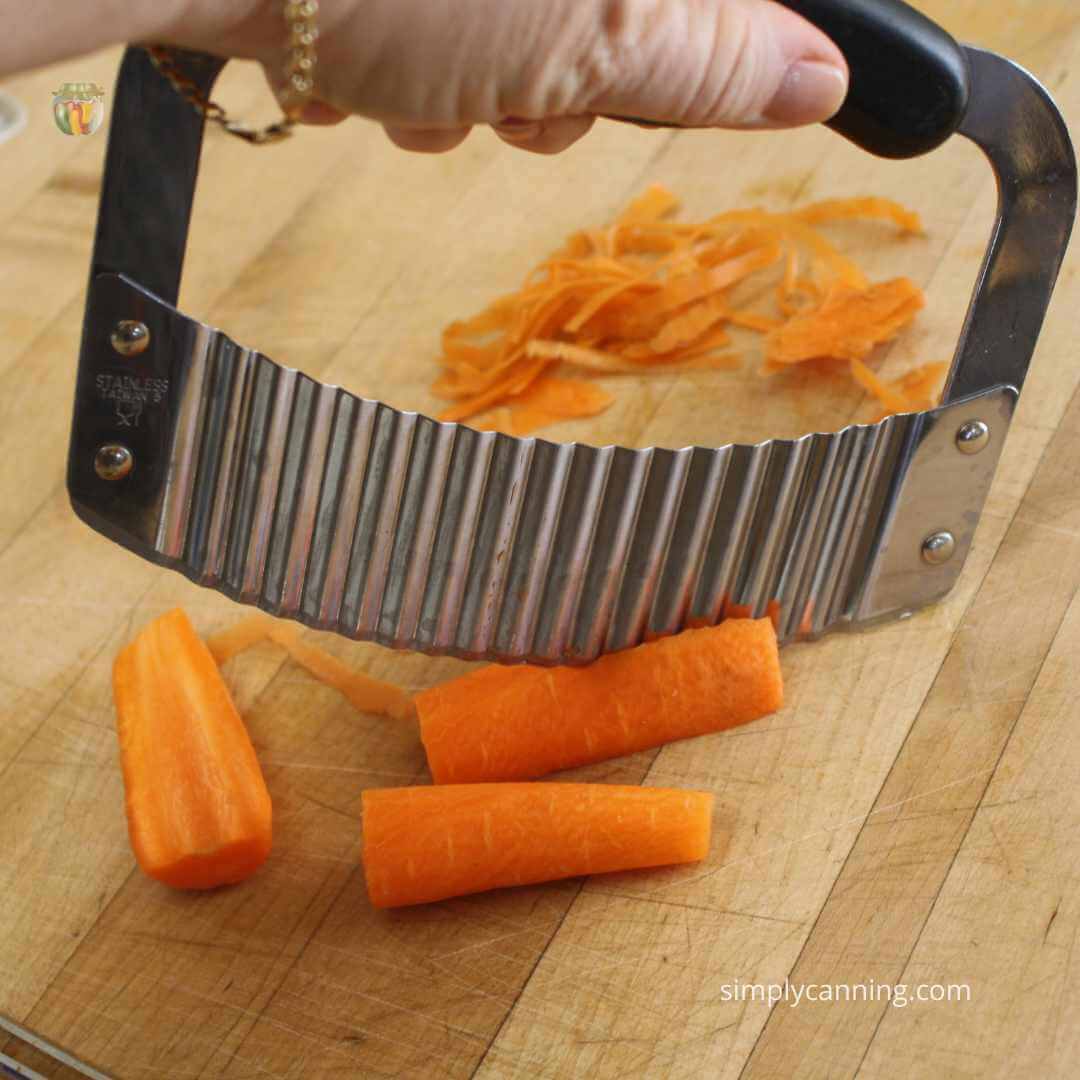
For a fun twist, use a crinkle cutter to create wavy slices. Or even wavy carrot sticks for dipping.
If you’ve got a lot of carrots to slice, remember the option to use a food processor. It can slice a lot of carrots quickly! I’ve used my food processor with the french fry blade for projects like this. It makes small uniform carrot sticks and does it quickly!
Do you have to peel the carrots when you are freezing them?
It depends on who you ask. It is a quality issue. I recommend it.
Peels on thawed carrots can become unappealing and are difficult to remove later. If you’re using whole carrots, peeling them before freezing gives a better final result.
I’ll often just scrub fresh carrots and cook them up for supper. I like having the nutrition from the peel and when they are cooked from fresh, the peels don’t bother me. However, for freezing it is beneficial to have peeled the carrots.

Do you Have to Blanch Carrots?
You may be surprised at my answer but no… you actually don’t HAVE to blanch carrots. It is highly recommended though. It is a quality issue not a safety issue. The NCFHFP recommends it and I do too. Blanching your carrots for freezing is going to:
- Stop enzyme actions from deteriorating your food.
- Maintain color better.
- Protect the texture of your carrots (they may get mushy if you don’t blanch)
- Clean your carrots really well! Getting rid of any lingering bacteria.
- Protect vitamins and nutrients through the freezing process.
Did you know? Either over or under blanching is not a good thing either? Timing is really important!
Blanching with a Stockpot and Quality Basket
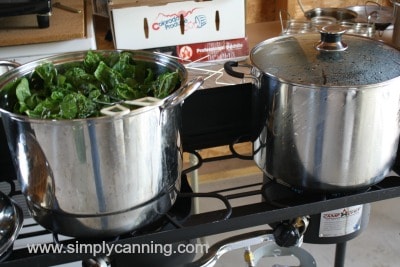
This is my standard set up for blanching many foods. It is a regular stock pot and a quality basket. The basket I have is a Polder Brand and is one of my better kitchen purchases! I highly reccommend it.
Blanching in an Instant Pot
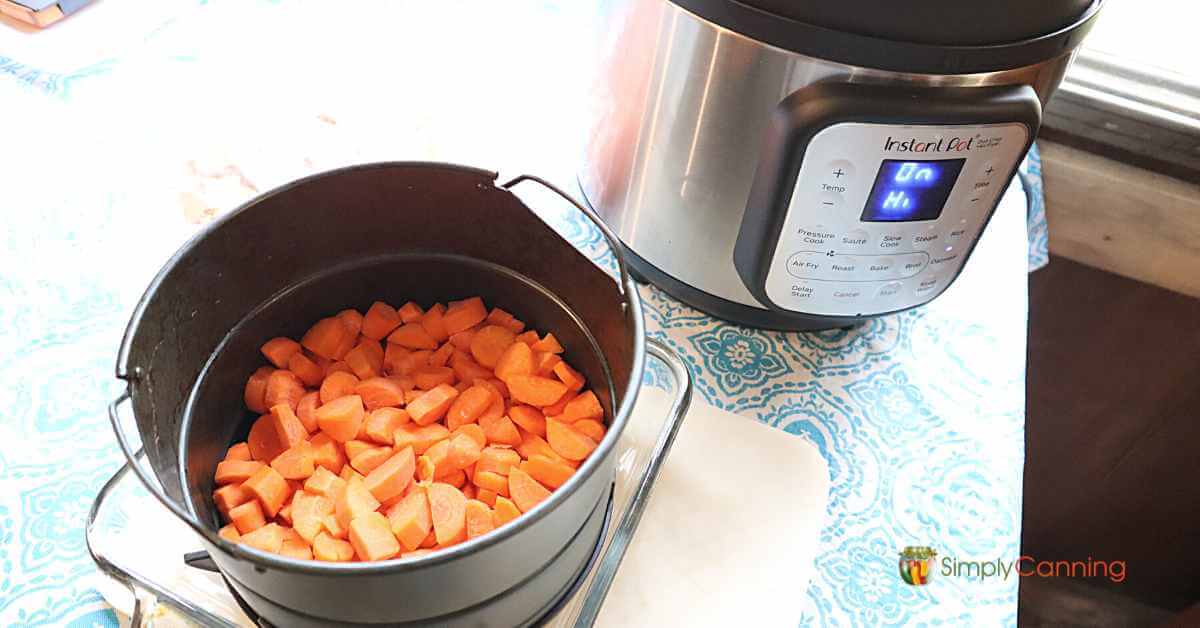
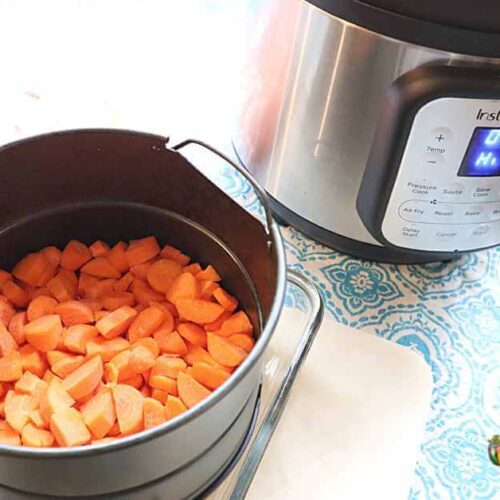
A little creativity helps in the kitchen! If you know my story, we are currently building a home and I have a very limited kitchen. No stove is the issue today. So I pulled out my instant pot to see if it would work. The pot boiled the water, the insert served as my blanching basket…. It worked just fine.
Packaging Frozen Carrots for the Freezer
Before you package your carrots you’ll want to dry them to remove excess moisture. This can be a simple as blotting them with a lint free kitchen towel or paper towels. Then choose a packaging method that suits your freezer space and needs:
Freezer Bags
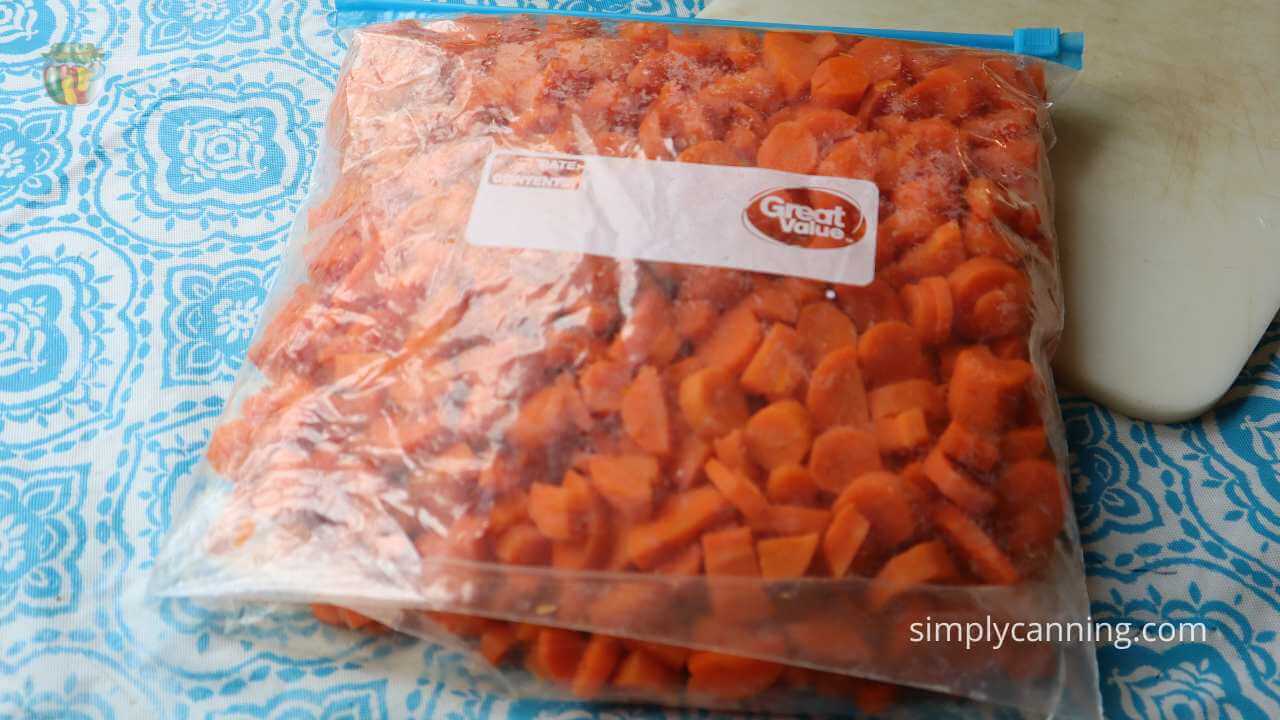
My favorite method is to freeze them in freezer bags. Just put your blanched carrots in, squeeze out as much air as possible, seal, label and store. These are space-efficient and versatile.
Hard Plastic Freezer Containers
These come in many sizes. I like these inexpensive square containers… or these Ball Freezer Jars (They are plastic) Durable and reusable, these stack neatly in your freezer.
Vacuum Sealing
Vacuum sealing creates the best freezer conditions. It removes more air than we can manually. The downfall is you need a vacuum sealer… which I don’t have. (I should get one!)
Glass Mason Jars
Note – I actually don’t recommend freezing in glass. Glass jars are prone to breakage and take up more space in the freezer. But you could use them… If you really must. Leave plenty of headroom for expansion. Straight sided jars like this are the best option
Flash Freezing for Easy Portioning
Flash freeze them in individual pieces so you can take out just what you need for any particular recipe. These can be stored in any freezer container you like. Freezer bags are my favorite.
You can freeze in individual pieces 2 ways.
- Lay blanched carrot pieces out in a single layer on a freezer tray, put the whole tray in the freezer. When the carrots are frozen (approximate 2-3 hours) remove and package the frozen carrots in freezer bags, label, and put back in the freezer.
- Add blanched carrot pieces to a gallon sized freezer bag. Fill the bag half full. Lay the bag flat in freezer with the carrots in a shallow layer. This will allow you room to break up the frozen carrot pieces later. If the bag is stuffed full it will freeze in a big ol clump.
Frequently Asked Questions
Yes, but only if they’re small and thin. Larger carrots need to be cut to ensure even blanching.
Yes, freezing softens carrots slightly. Blanching helps maintain a firmer texture. They’re best used in cooked dishes rather than raw. Frozen carrots won’t be good for carrot sticks on a veggie tray. But they are great for any cooked recipe.
Carrots can last 6–12 months if properly prepared and stored. Plan to use them within this timeframe for best quality.
Some Other Ways to Preserve Carrots
- Canning Carrots – Preserve carrots in jars for pantry storage.
- Pickled Carrot Sticks – Make tangy pickled carrot sticks.
- Dehydrating Carrots -Perfect for rehydrating in soup!
- Tomato Vegetable Juice (add your carrots!)
Creative Uses for Frozen Carrots
Frozen carrots are perfect for:
- Soups, stews, and casseroles
- Roasted vegetable medleys
- Smoothies (blend frozen diced carrots for extra nutrients)
- Baking (like carrot cake or muffins)
Troubleshooting Tips
- Avoid Freezer Burn: Squeeze out all air from bags and use a vacuum sealer if possible.
- Prevent Clumping: Flash freeze carrot pieces before storing.
- Label Clearly: Always include the date to keep track of storage time.
Nutritional Tip: Why Freezing Carrots Is Healthy
Blanching and freezing carrots lock in key nutrients like beta-carotene (supports vision and skin health), vitamin C (boosts immunity), and dietary fiber (aids digestion). Blanching halts enzymes that degrade nutrients, while freezing preserves vitamins and antioxidants like lutein. Properly frozen carrots retain much of their fresh nutritional value, making them a convenient, healthy option year-round.
Printable Recipe ; How to Freeze Carrots
How to Freeze Carrots
Equipment
- Crinkle Cutter optional
Ingredients
- Carrots
Instructions
Freezing Carrots
- Wash and remove the tops from your carrots (tips too if desired)
- Peel
- Cut into desired size; sliced, 1/4 inch diced or carrot sticks. Small carrots can be left whole.
- Blanch- Dip carrots in boiling water for 2-5 minutes depending on the size. Small diced, sliced or sticks 2 minutes. Small whole carrots 5 minutes. Goal is lightly cooked, still a bit crisp.
- Cool in ice or cold water bath.
- When cool, drain well.
Freezing Options
- Option 1 – lay blanched carrot pieces out on a freezer tray, put in freezer. When frozen, remove and package in freezer bags, label, and put in freezer.
- Option 2 – Add blanched carrot pieces to a gallon sized freezer bag. Only fill the bag half full. Lay the bag flat in freezer to freeze. This will allow you room to break up the frozen carrot pieces later Then you can remove just the amount you need. If the bag is stuffed full it will freeze in a clump.
- Option 3 – Add blanched carrot pieces directly to freezer packaging, label, and put in freezer.
Pin for Later!
Sources:
- USDA Food Data Central: Nutrient Retention
- National Center for Home Food Preservation (NCHFP): Freezing Guide
- https://fyi.extension.wisc.edu/safefood/2019/06/25/why-is-blanching-recommended-when-freezing-vegetables/
will the carrots become totally soft as in canning or will they be left with a bit of solidness, as opposed to mushy?
Hi Carol, they will be soft… but you are correct not as soft as with canned.