
Canning Guava Fruit
This page may contain affiliate links. More Information.
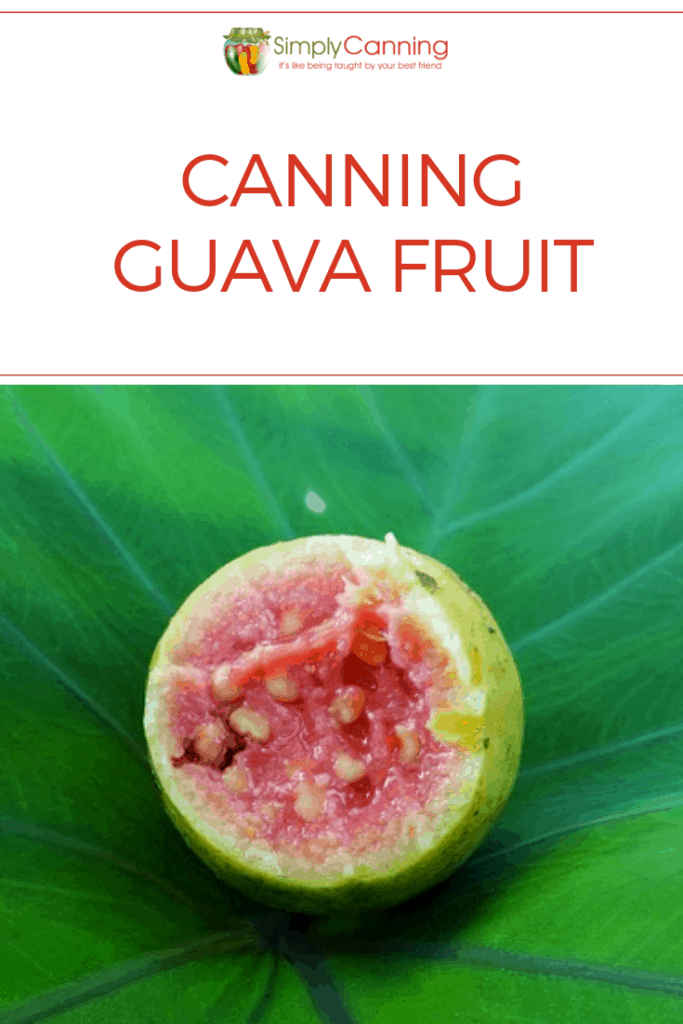
Canning guava fruit is a great way to preserve this tropical fruit if you have access to it fresh.
Guava isn’t something we eat often, but I’ve had enough readers ask about it that I wanted to make sure you’ve got a method to follow. If you’ve got guava on hand, you can preserve it much like other fruits using a simple light syrup and a water bath canner.
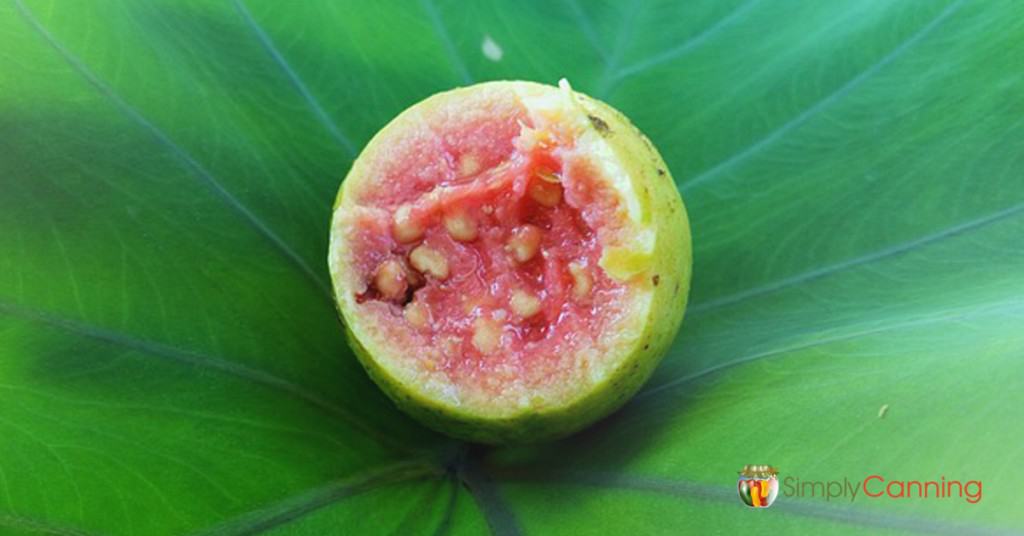
Canning Guava Fruit: Quick Overview
Full detailed step by step is in the recipe card below but here is a quick look at what you’ll need to do.
- Wash, peel, and halve guava; remove seeds.
- Prepare a light sugar syrup (recipe in card below).
- Heat guava in syrup for about 30 minutes.
- Pack fruit into jars.
- Cover with hot syrup, leaving 1/2-inch headspace.
- Remove air bubbles, wipe rims, and apply lids.
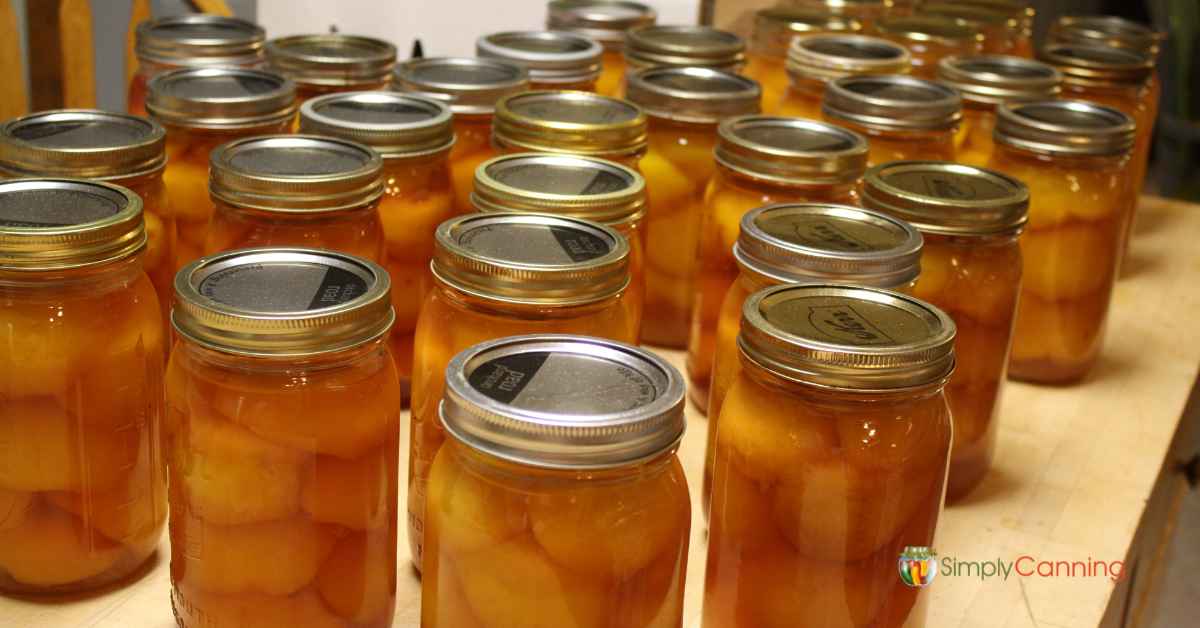
- Process in a water bath canner.
- Pints: 15 minutes
- Quarts: 20 minutes
- Adjust for altitude
Note on this Recipe
These directions are from my older Ball Blue Book (2009). I’ve yet to find it in more recent publications.
My guess? Guava just isn’t common enough to keep it showing up in newer publications, not that there’s something wrong with it. But there is always the possibility that texture or density issues were found. I can’t find any documentation on it either way. Here is more on safe home canning practices.
If you like to stick strictly with the newest tested recipes, keep that in mind. You might consider freezing or making jam out of your Guava. Personally I bet the texture lends itself to jams better. And I bet it would make a great fruit leather!
Before You Start
- Choose firm ripe Guava Fruit. You don’t want it too soft or it will get mushy. Actually, you should count on this being pretty soft anyway.
- You can choose your level of sugar in the syrup but I recommend at least a light syrup. It helps preserve the texture and flavor.
- Do remove the seeds.
What does Canned Guava Taste Like?
Just so you know, Guava is one of those fruits that will soften during processing. It will be soft and spoonable. Which can work fine for sauces later. Spoon it over ice cream, yogurt or desserts.
I’ve read that guava is sort of a cross between a pear and a strawberry.
Quantity
- guava fruit – approximately 2 pounds per quart
- sugar (Make a light syrup and heat in a large pot – 2 cups sugar to 5 cups water. Sugar levels are to taste.)
Start canning guava fruit by preparing jars and getting water in your canner heating.

Process according to water bath canning instructions. (Don’t forget to adjust for altitude according to below chart.)
Related Canning posts for beginners
If you’re working with fruit, here are a few more helpful guides:
- Water bath canning basics
- Steam Canning Basics – Guava is a great candidate for steam canning!
- Pressure or Water bath Canning which is better?
Recipe Card
All the details—packing jars, headspace, removing air bubbles, lids, and processing—are included in the recipe card below.
Canning Guava Fruit
Equipment
Ingredients
- guava fruit approximately 2 pounds per quart
- Sugar
- Water make a light syrup and heat in a large pot – 2 cups sugar to 5 cups water
Instructions
- Start by preparing jars and getting water in the canner heating.You want the canner hot, but not boiling, when the jars are ready to be processed. See full water bath canning instructions here.
- Wash, peel, and halve guava fruit, removing seeds.
- Make sugar syrup and bring to a boil.
- Turn off heat and add guavas to syrup.
- Let set for 30 minutes. This will gently heat the fruit through.
- Remove fruit from the syrup with a slotted spoon and pack into hot jars.
- Heat syrup to back to boiling and cover fruit with hot syrup, leaving 1/2” headspace.
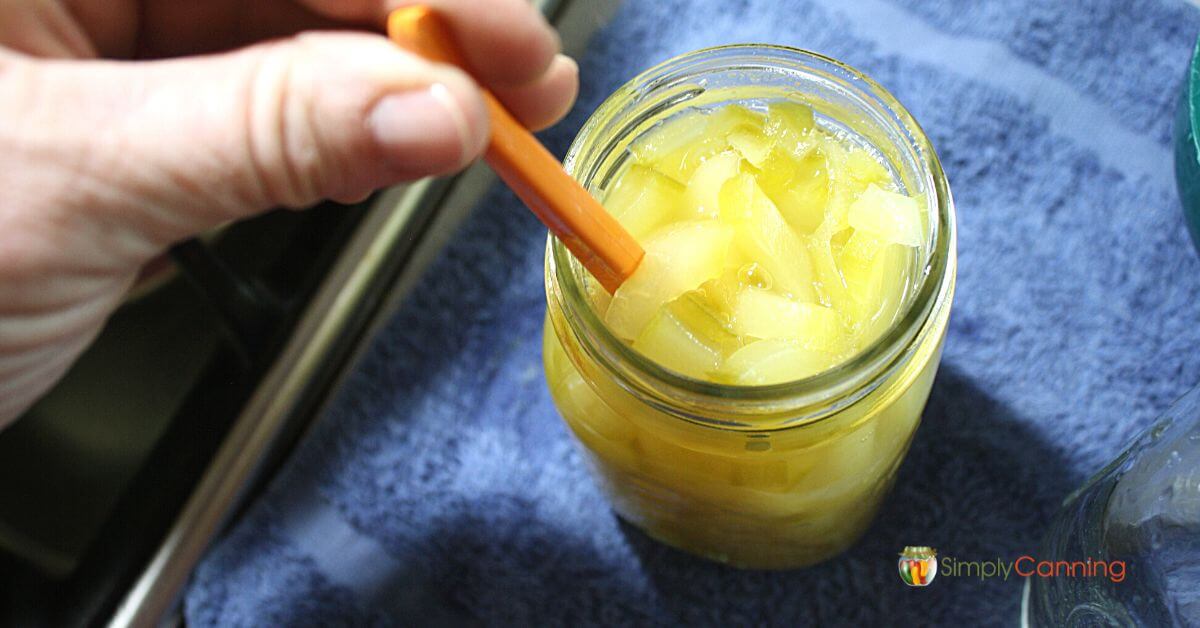
- Remove air bubbles. Wipe the rims clean and place on your seals and rings.
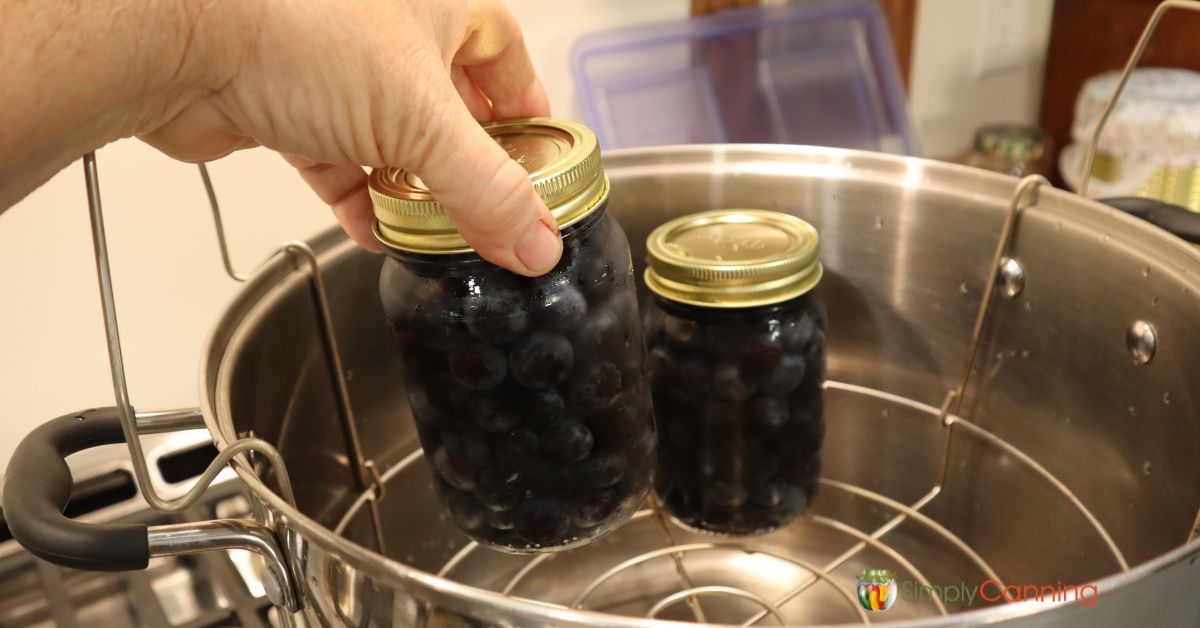
- Place the jars in the warm canner.
- Process pints for 15 minutes or quarts for 20 minutes, adjusting for altitude.
Notes
- 0-1,000 ft – 15 minutes
- 1,001-3,000 ft – 20 minutes
- 3,001-6,000 ft – 25 minutes
- 6,001-8,000 ft – 30 minutes
- 8,001-10,000 ft – 35 minutes
- 0-1,000 ft – 20 minutes
- 1,001-3,000 ft – 25 minutes
- 3,001-6,000 ft – 30 minutes
- 6,001-8,000 ft – 35 minutes
- 8,001-10,000 ft – 40 minutes
Adapted from: The Ball Blue Book of Preserving
Source: The Ball Blue Book of Canning
Related Pages
Canning Asian Pears
Learn how to can Asian pears (also known as apple pears or oriental pears), so you can enjoy their goodness into the winter!
Dehydrating Fruit
I’m a long-time canner but I must admit…dehydrating food does have some advantages.
Hi! I have a lot of strawberry guava – I’m assuming (since I can’t find) that this recipe would similarly work. I also was wondering, is the Ph low enough to not add lemon? Thanks!
Hi Sylvia, that is a great question and I don’t have an answer for you. I don’t know the difference in strawberry guava vs regular guava. It could be there is a difference. For example, white peaches are different than regular peaches. They are processed differently. It could be it is the same situation that you have. Maybe not… but I can’t find any information on it. Sorry I’m not much help.